fibrosarcoma in cats prognosis
Fast Free Delivery wAmazon Prime. The mass commonly is firm non-painful and often attached to the skin or underlying muscles.

Bone Cancer In Cats Symptoms Diagnosis And Treatment Innovet Pet
Fibrosarcoma in cats is a very common malignancy in these animals.

. Have difficulty eating Lose its appetite Become dehydrated Painful walking Become lethargic Develop mysterious bleeding in its mouth Causes of Fibrosarcoma in Cats. Fibrosarcomas are a type of soft tissue sarcoma STS and in general this term acts as an umbrella for a variety of tumors including fibrosarcoma-connective tissue chondrosarcoma-cartilage liposarcoma-fat tissue hemangiosarcoma-blood vessel cells nerve sheath tumor hemangiopericytoma-cells supporting blood vessels malignant fibrous histiocytoma. Most patients do not feel ill when the lump is first found.
Usually on its spine in the pelvis or in its ribs. Biopsy or fine needle aspiration of the lump will provide a definite diagnosis of fibrosarcoma. Quality Care for Cats Dogs.
Unfortunately the prognosis for all fibrosarcoma patients is considered poor. Although in some cats can have reduced lymphocyte numbers. Experienced Compassionate Team.
Fibrosarcoma in cats generally occurs around 8 years of age even if the cat shows no signs of intolerance or pain. Currently vets cannot identify the precise cause of the condition in cats. A CT scan which allows careful evaluation of the tumor and the tissues around it is usually required as part of the diagnostic plan.
Other common symptoms include swelling of the affected area and. X-rays of the area in which the lump is located which may reveal a large soft tissue mass. Three manifestations of fibrosarcoma predominate in cats.
Ad Read Customer Reviews Find Best Sellers. If left untreated these masses can become ulcerated and infected. Lets see what the causes symptoms and treatment are.
Initially fibrosarcoma in cats appears as a small ball which is a subcutaneous nodule that moves to the touch and does not generate pain. Fibrosarcoma comprises 12-41 of feline cutaneous tumors and affects cats at a mean age of 96 years. X-ray or CT of the lungs to determine if the cancer has metastasized spread.
Another factor that determines prognosis is the chance of recurrence of tumors. The most common and apparent symptom of fibrosarcoma in cats and dogs is a lump which at times may be accompanied by ulceration and bleeding. Even with aggressive surgical and oncological intervention over 70 of tumors recur within the first year.
These specific tumors result when fibroblast cells divide in an abnormal fashion. Fibrosarcoma in cats is a medical condition that occurs when tumors develop usually in the soft tissue. Gender appears to play some role with male cats being seen for gingival tumors more often that female cats.
For example tumors on the tail on the distal legs or that are small and localized have a very good prognosis. In cats however fibrosarcoma tumors are more prevalent. Fibrosarcomas can also develop inside the cats body.
Up to 6 cash back However serious cases with poor prognosis have been seen in dogs younger than 1 year. Symptoms and Types Loss of motion inability to walk Mass can be palpated examined by touch at the affected bone Swelling at the site Pain when area is touched Fractures of the bone without other evidence of trauma Causes. Symptoms and Type Excess salivation Bad breath halitosis Loose teeth Difficulty picking up food Difficulty chewing food dysphagia Blood coming from the mouth A growth in the mouth Weight loss Causes.
Although pulmonary metastasis or the spread of the tumor to the lungs occurs only about 10-25 of the time it changes the prognosis and treatment options available for your cat. While sarcomas spread in only 10 to 15 percent of sick cats they can recur in nearly 30 to 70 percent of pets that have already been treated with surgery and chemotherapy. Tumors are generally known to recur within a few months of treatment.
With time if they spread to the lungs and other parts of the body they can cause breathing difficulty anorexia and weight loss. The history signalment and results from diagnostics performed. Tumors that are large and treated aggressively with radiation surgery and chemotherapy still have a fairly good prognosis however some cats can have either reoccurrence or metastasis.
Advanced fibrosarcoma causes the cat to. In general tumors of the bone are benign and are frequently misdiagnosed as cysts and muscular problems. Ad Metropolitan Animal Specialty Hospital.
Connect With Our Emergency Team Now. In fact fibrosarcoma has been deemed the most common tumor type of cats. Spontaneous solitary fibrosarcoma vaccine-inducedinjection site fibrosarcoma and oncogene-induced FSV fibrosarcoma.

Feline Injection Site Sarcoma

Pin On Pathology

Feline Injection Site Sarcomas The Veterinary Nurse

Fibrosarcoma Soft Tissue Sarcoma International Cat Care

Fibrosarcoma In Cats Causes Symptoms And Treatment

Learn About Osteosarcoma Bone Cancer In Cats Petcure Oncology

4 Things You Should Know About Feline Fibrosarcoma Homeoanimal Com

Cat Injection Site Sarcoma The Risks Treatment Prognosis Of This Deadly Tumor Our Pet S Health

Fibrosarcoma In Cats Causes Symptoms And Treatment

Fibrosarcoma In Cats Symptoms Diagnosis Treatment Innovet Pet
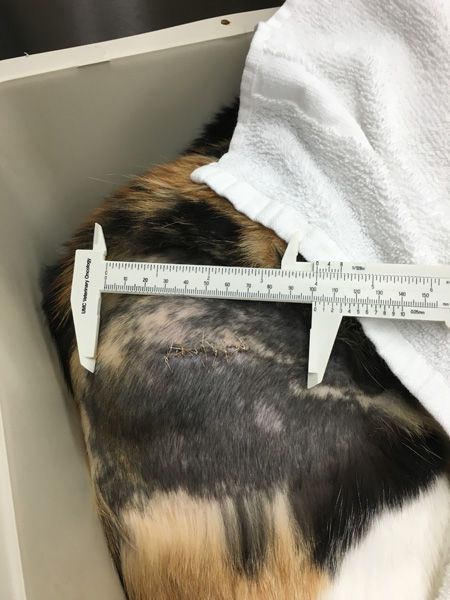
Feline Injection Site Sarcomas Update

Feline Injection Site Sarcoma
Feline Injection Site Sarcomas Risk Factors Diagnosis Staging And Treatment Algorithm Today S Veterinary Practice

Feline Injection Site Sarcoma
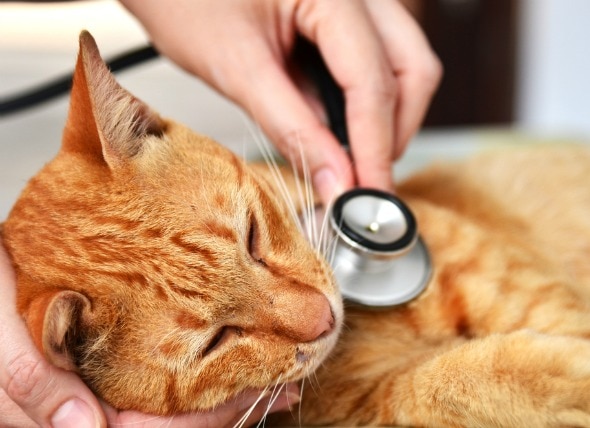
Nose Cancer Fibrosarcoma In Cats Petmd

Feline Injection Site Sarcoma Today S Veterinary Practice
/GettyImages-11673268481-ff230807a7e04e2db8e38e148edb19a5.jpg)
Fibrosarcomas In Cats

Feline Injection Site Sarcomas Risk Factors Diagnosis Staging And Treatment Algorithm Today S Veterinary Practice

Fibrosarcoma In Cats Animal Health Topics School Of Veterinary Medicine